Curriculum
Building Skills. Creating Connections. Opportunities to Thrive.
At Thrive Haven Day Services, our curriculum is person-centered and behaviorally focused. Activities are individualized based on each participant's abilities, preferences, needs, behavioral support needs, and personal goals. Our four curriculum areas are integrated throughout the program day, allowing participants to develop functional, behavioral, social, and adaptive skills through practical everyday experiences.
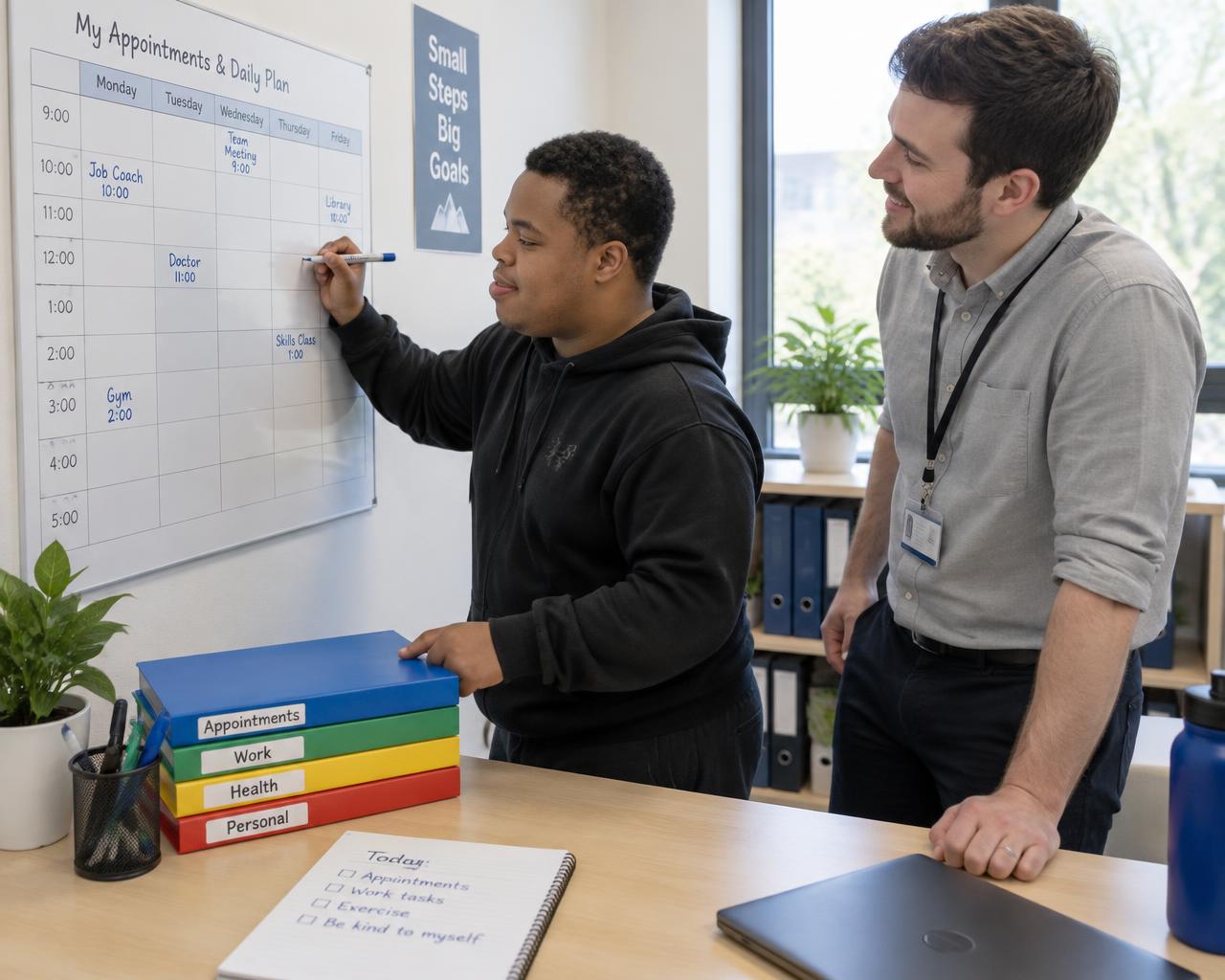
Independent Living
Building skills, confidence, and greater independence in everyday life.
Independent Living supports participants in developing and strengthening practical skills for everyday life. Self-advocacy and personal development are incorporated into this area, helping participants express their needs and preferences, make choices, participate in decisions, solve problems, understand their rights and responsibilities, and work toward personal goals.
Skills may include:
- Personal hygiene & grooming
- Household organization
- Time & schedule management
- Money management
- Shopping skills
- Personal safety
- Communication
- Health-related routines
- Choice & decision-making
- Self-advocacy
- Problem-solving
- Personal goal setting
Community Integration
Building confidence and independence in the community.
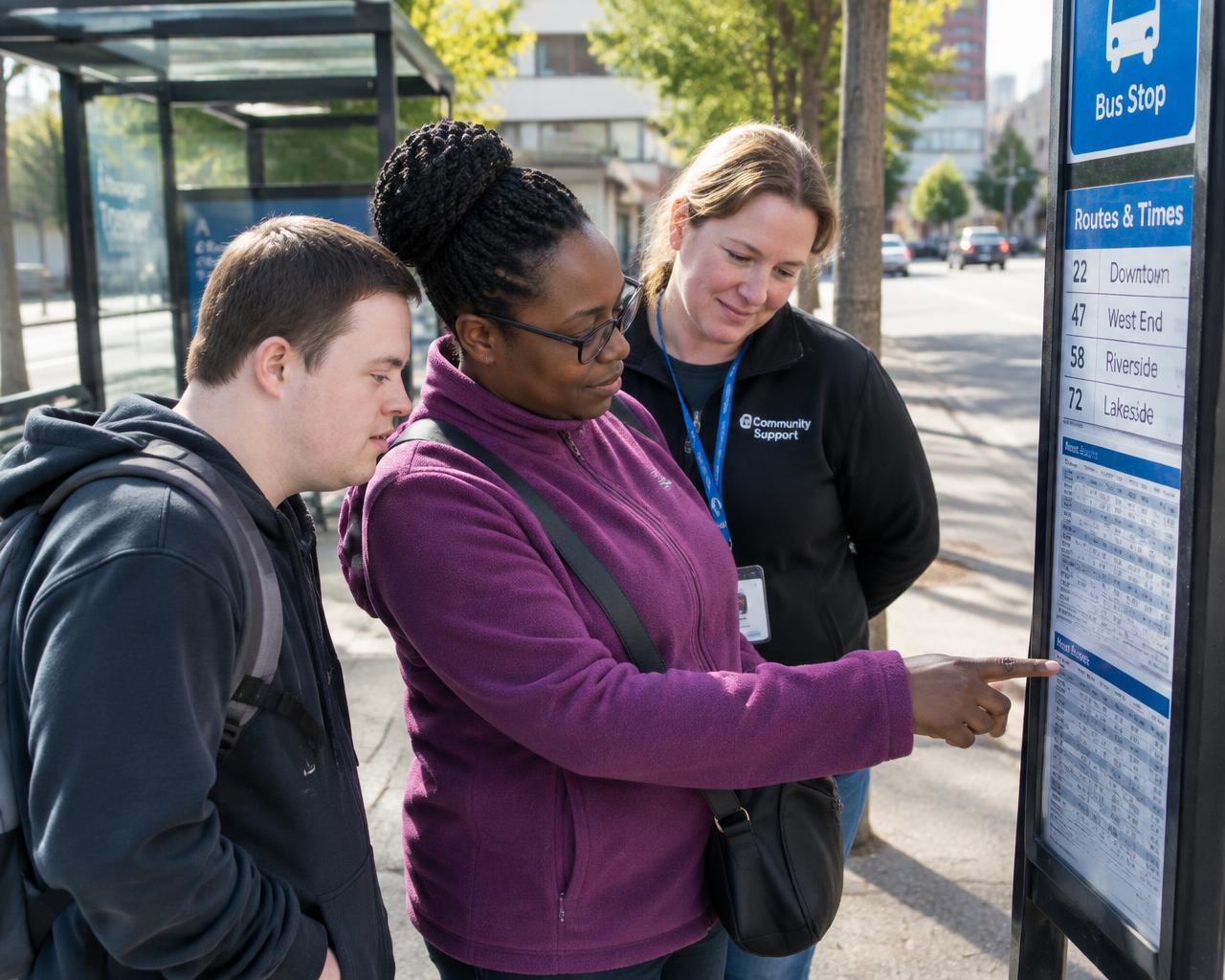
Community Integration gives participants opportunities to practice functional, behavioral, and social skills in real-world settings. Community-Based Instruction (CBI) helps participants apply skills learned at the program while accessing community resources and participating more independently in their communities.
Skills and experiences may include:
- Community safety
- Shopping & money management
- Public transportation
- Route planning
- Accessing community resources
- Communication in the community
- Social interaction
- Decision-making
- Coping strategies
- Appropriate community behavior
- Recreation & community activities
- Volunteer or work-related experiences, when appropriate
Social & Recreation
Creating opportunities for connection, participation, and enjoyment.
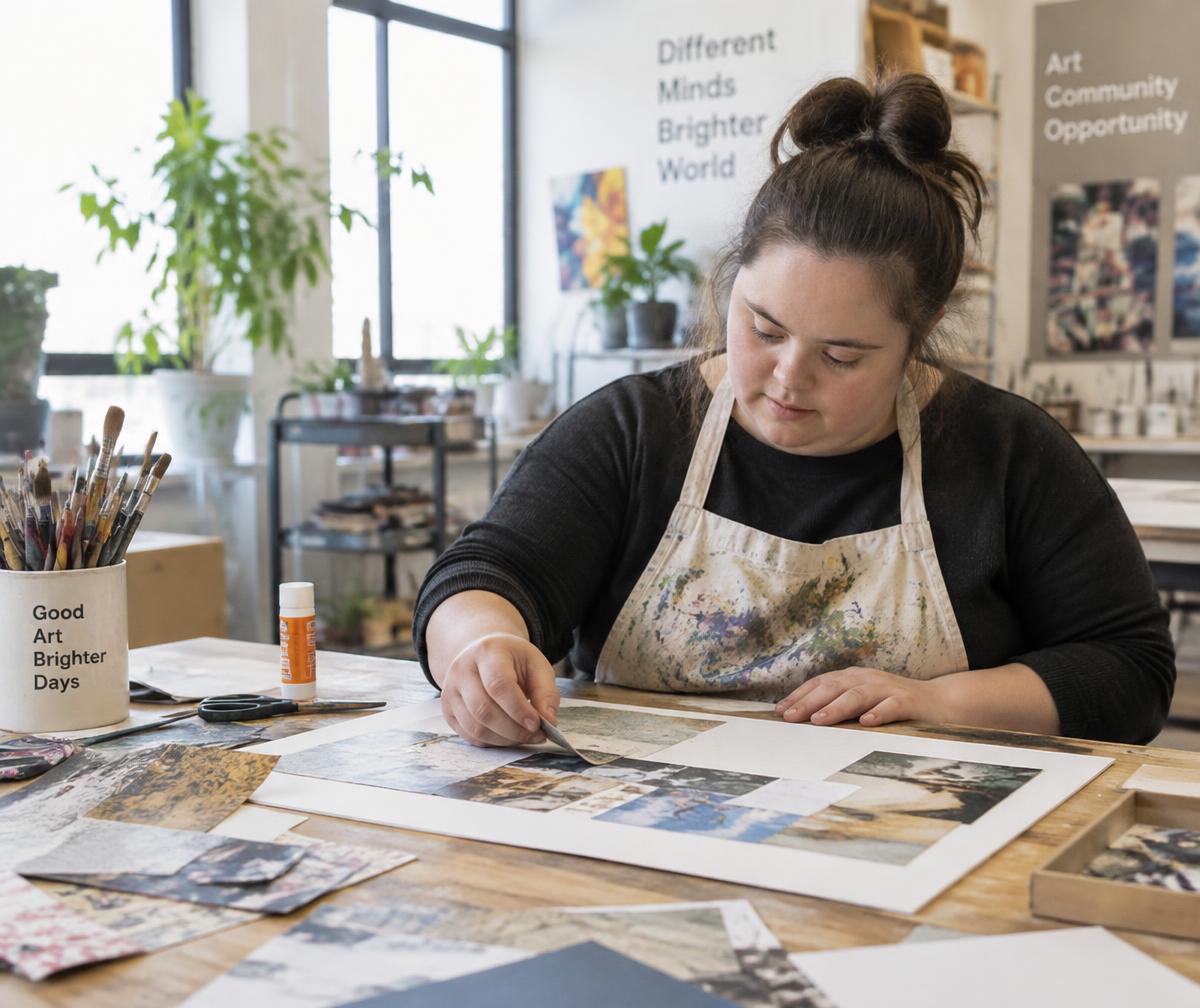
Social & Recreation supports participants in developing social, communication, relationship-building, leisure, and recreational skills through age-appropriate activities based on their interests and preferences. Activities encourage positive peer interaction, choice-making, teamwork, creativity, physical activity, and positive use of leisure time.
Skills and activities may include:
- Positive peer interaction
- Communication
- Relationship-building
- Turn-taking
- Teamwork & cooperation
- Making choices
- Group participation
- Arts & crafts
- Music
- Movement & exercise
- Games & hobbies
- Coping with winning & losing
- Resolving minor disagreements
- Safe participation with others
Behavior Management
Positive, individualized support for behavioral growth and skill development.
Behavior Management is grounded in positive behavior support and Applied Behavior Analysis (ABA) principles within a person-centered approach. Participants receive individualized support designed to strengthen communication, emotional regulation, coping, positive decision-making, and greater independence.
Areas of support may include:
- Emotional regulation
- Functional communication
- Coping strategies
- Identifying and expressing feelings
- Managing anger & frustration
- Choice-making
- Positive reinforcement
- Predictable routines
- Visual supports & prompts
- Redirection & de-escalation
- Building replacement skills
- Generalizing skills across settings
Questions About Our Curriculum?
We welcome conversations with families, service coordinators, and professionals who would like to learn more about how our curriculum supports adults with developmental disabilities.